In Texas, a concrete driveway takes a beating. Between long stretches of heat, sudden downpours, shifting clay soils, and the day-to-day load from trucks and SUVs, it does not take long for a good-looking driveway to start showing wear. That is why homeowners ask us about concrete driveway sealing in Texas all the time. The short answer is this: sealing can absolutely help, but only when the concrete is in the right condition to begin with.
A quality sealer helps reduce water intrusion, slows down surface wear, and makes routine maintenance easier. What it does not do is fix settlement, close active structural cracks, or correct drainage problems. If your driveway is already moving, sinking, or separating, sealing over those issues is just putting a lid on a bigger problem.
At Hill Country Slabs, we look at driveways across Austin, Round Rock, Cedar Park, and surrounding Central Texas communities. The same pattern shows up again and again: water gets into joints or cracks, soil conditions make the slab move, and the homeowner ends up with a repair bill that could have been smaller if the problem was addressed early.
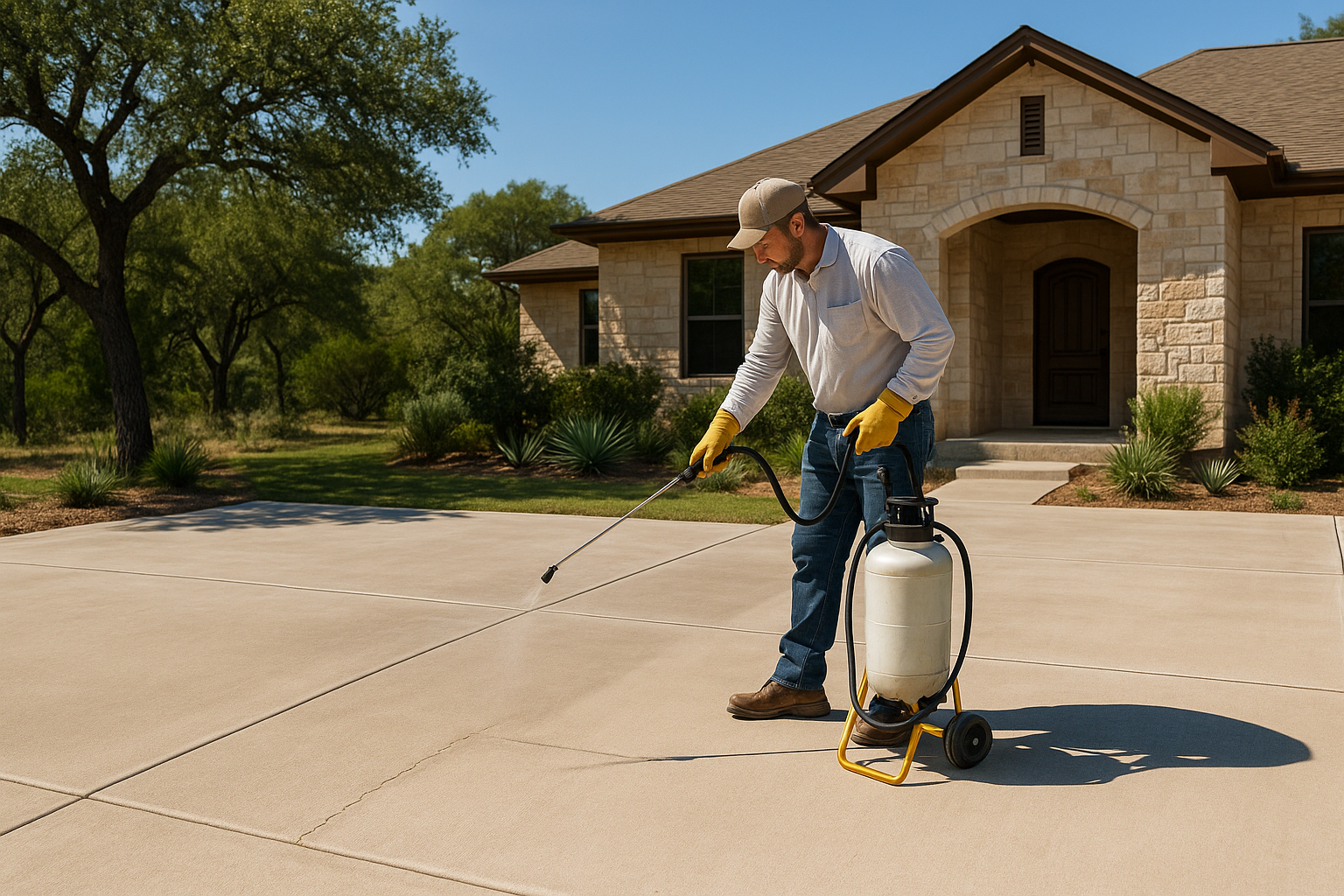
What Concrete Driveway Sealing Does
When people hear the word sealing, they sometimes think of it like a structural fix. It is not. Sealing is a maintenance step. On a sound driveway, it helps protect the surface and limit the amount of water that gets into the concrete and down through open joints.
In practical terms, a good driveway sealer can help with:
- Reducing moisture penetration through the surface
- Slowing damage from Texas sun and surface erosion
- Making oil, dirt, and tire marks easier to clean
- Helping preserve the appearance of newer concrete
- Adding protection around control joints and minor surface imperfections
That matters in Texas because concrete is rarely dealing with just one condition. In the Hill Country and around much of Central Texas, we see highly expansive clay soils that swell when wet and shrink when dry. In other areas, you may run into rocky limestone conditions, loam, or mixed fill around newer homes. No matter the exact soil profile, water management is a major part of keeping a driveway stable.
If water repeatedly gets under a driveway slab, it can soften supporting soils, wash out fines, and contribute to uneven settling. Sealing helps limit the amount of moisture getting where it should not. It is not the only answer, but it is part of a smart maintenance plan.
If your joints are open or deteriorated, sealing the surface alone may not be enough. The joints themselves often need attention. That is where proper expansion joint service comes into play. You can also learn more about joint sealing best practices at sealmyjoints.com.
Signs Your Driveway Needs Repair Before Sealing
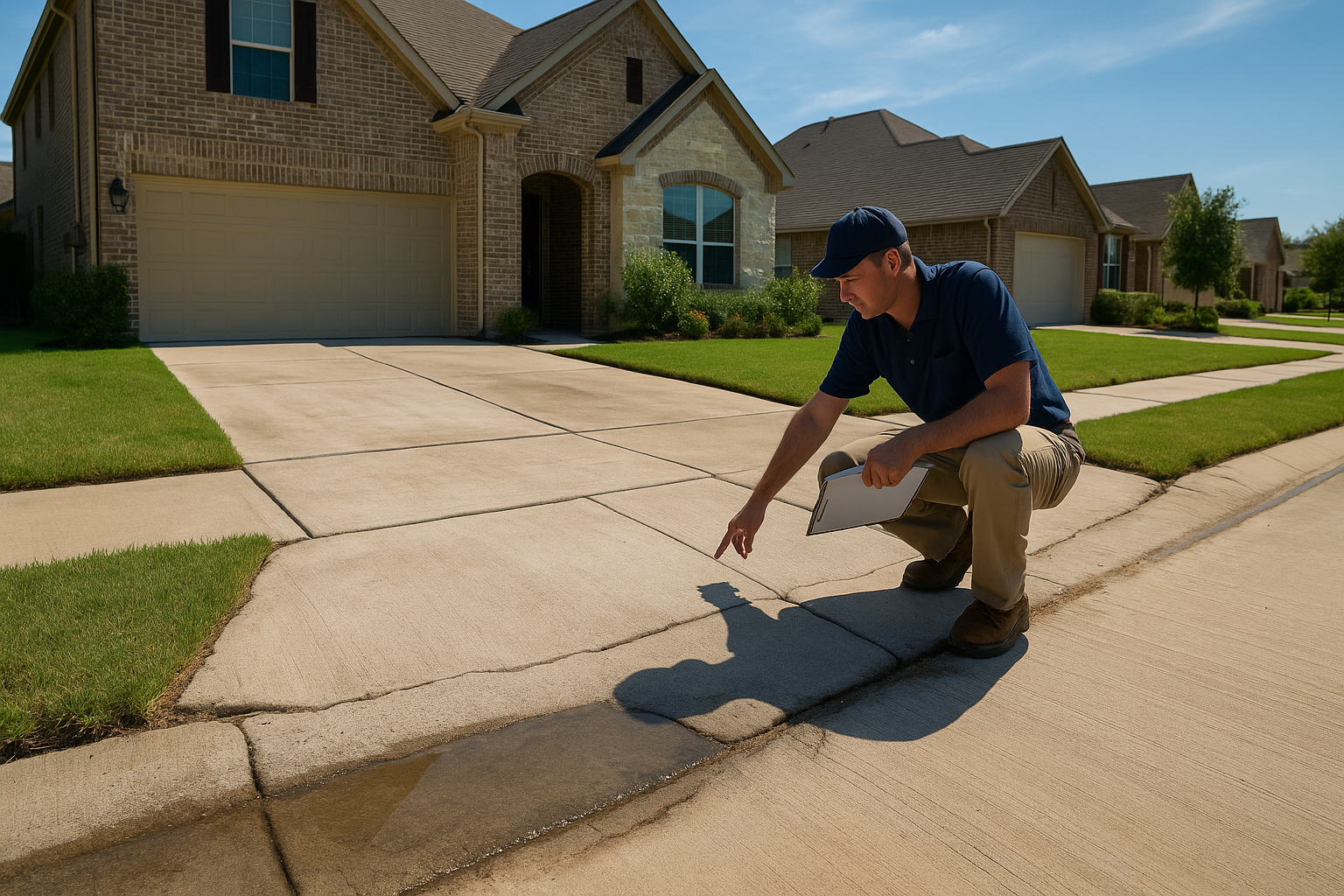
This is the part a lot of folks skip, and it is usually where they spend more money than they need to. If the slab has movement-related issues, you want to correct those first. Otherwise, the sealer may improve the look for a while, but it will not stop the underlying failure.
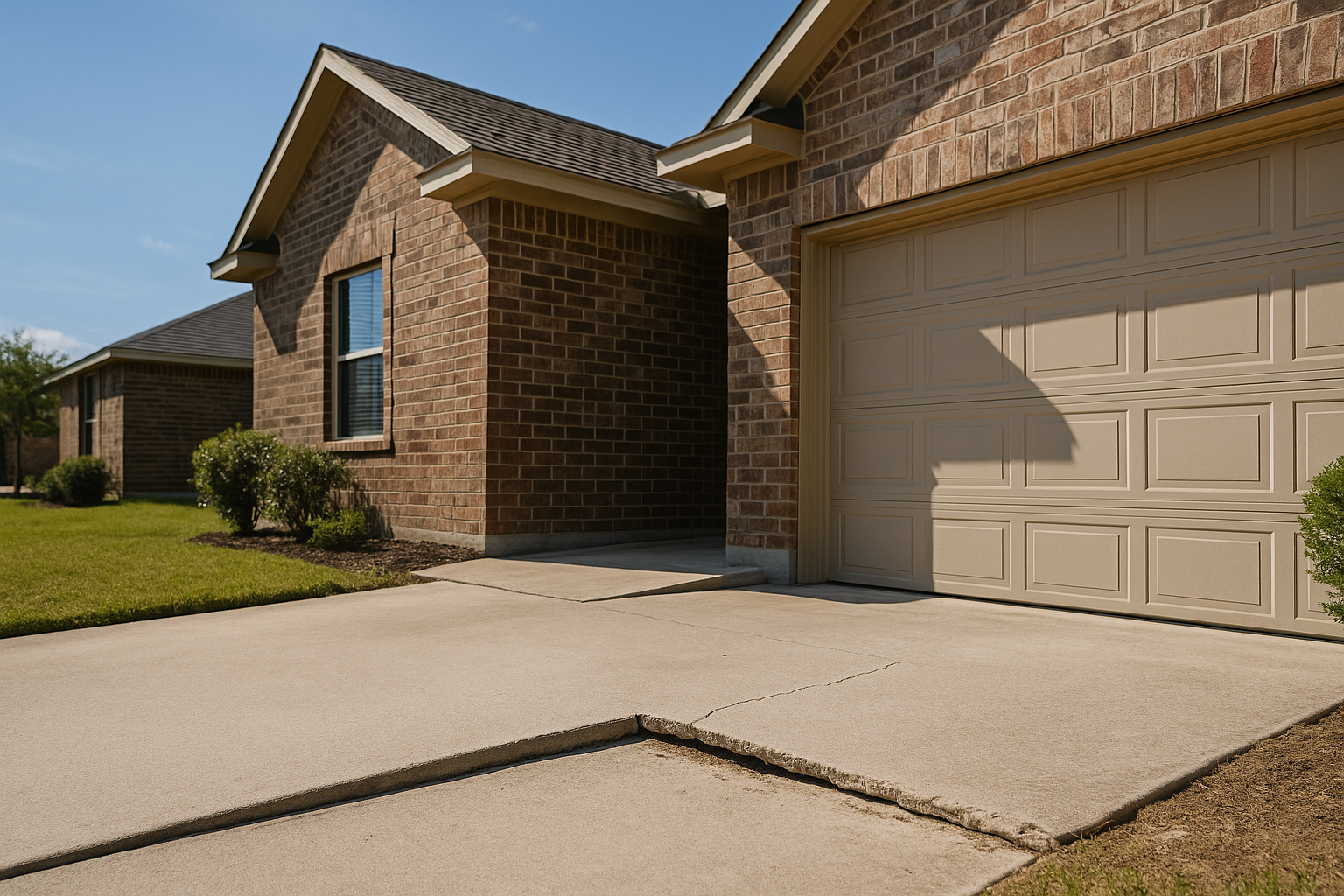
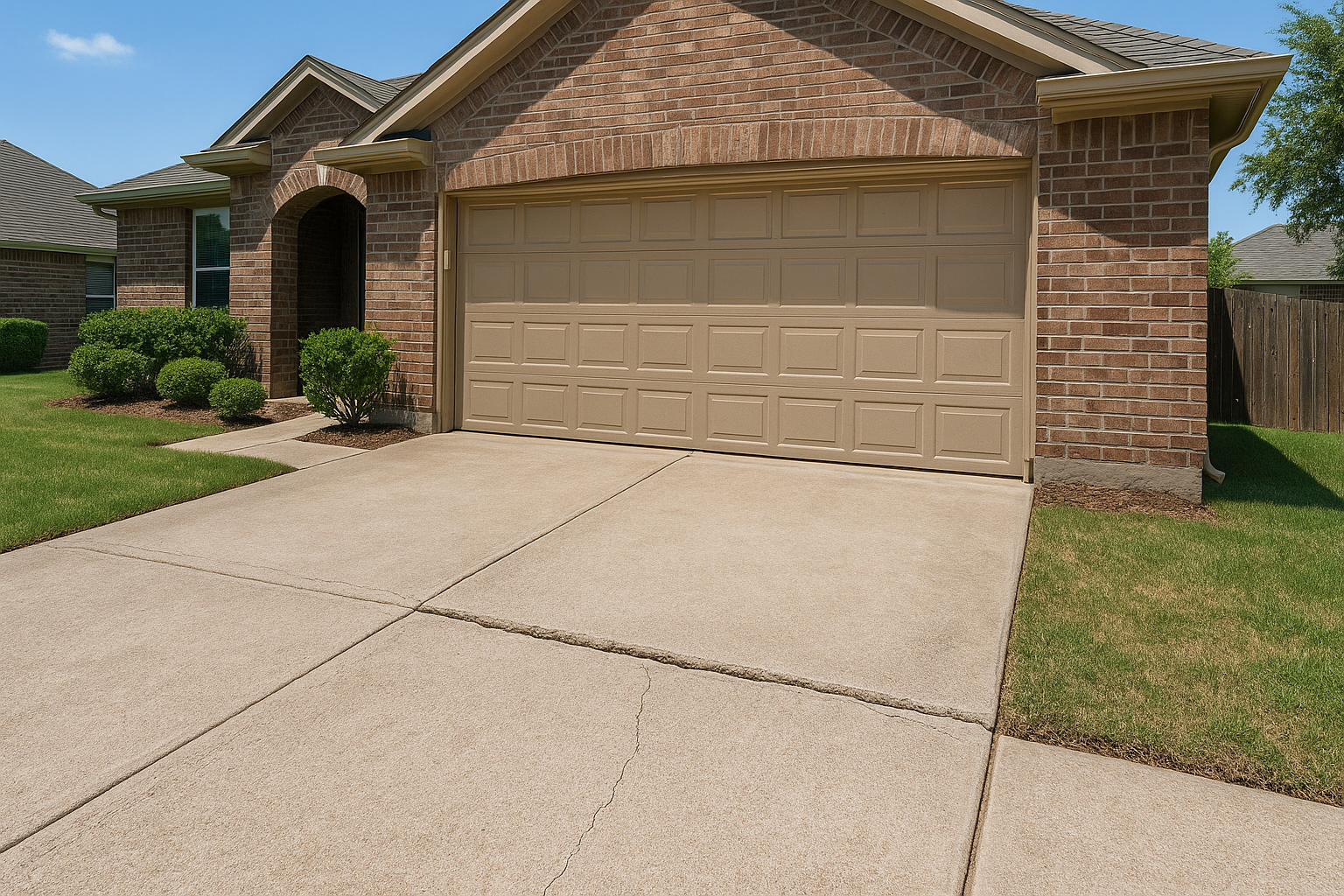
Here are the most common signs your driveway needs repair before sealing:
- One section has dropped lower than the adjacent slab
- You have standing water near the garage or low spots after rain
- Cracks are widening, offset, or running through full sections of concrete
- The driveway is pulling away from the garage slab or walkway
- Expansion joints are missing, broken down, or no longer keeping water out
- Edges are chipping because of movement or unsupported concrete
If the issue is settlement, the better solution may be Driveway Leveling before any sealing work is done. If the movement ties into a broader foundation or slab issue, you may need Concrete Slab Repair first.
We tell homeowners all the time: sealing is maintenance, not magic. If a slab has already lost support, you need to address the support problem. In many cases, that saves the driveway from more serious cracking and can help avoid full replacement.
As a ballpark, basic driveway sealing is often in the range of $0.75 to $2.50 per square foot, depending on the product, prep, and condition of the slab. Repair or leveling costs vary more, but if there is active settlement, spending a little on sealer before fixing the movement is usually wasted money. A repair now can prevent a much larger replacement cost later, and full driveway replacement in Texas can easily run $8 to $18 per square foot or more depending on access, thickness, reinforcement, and demolition.
Why Water Intrusion Is a Bigger Problem in Texas
Texas weather does not stay in one lane. We can go from drought to heavy rain in a hurry. That swing is hard on concrete and even harder on the soils underneath it.
In places like Austin, Round Rock, Georgetown, and Cedar Park, expansive clay is one of the biggest drivers of slab movement. When these soils take on moisture, they expand. When they dry out, they shrink and pull away. That repeated cycle creates voids, pressure changes, and uneven support beneath driveways and slabs.
A driveway with unsealed cracks or failed joints gives water an easy path down below the concrete. Once that happens, a few things can follow:
- Water enters cracks, joints, and slab edges
- The supporting soil becomes soft or inconsistent
- Dry periods cause shrinking and separation in the soil
- The slab settles unevenly or loses support at corners and edges
- Cracks widen and trip hazards get worse
Even in areas with rockier ground, water can still create trouble by washing out base material or exposing weaknesses in poorly compacted fill. We see this around newer subdivisions where utility trenches were backfilled but did not compact the same as the original subgrade.
That is why water intrusion is not just a cosmetic concern. It is one of the main reasons a driveway goes from “needs maintenance” to “needs repair.” A properly maintained sealer, along with sound joint protection and drainage awareness, can help reduce that risk.
Texas sun matters too. UV exposure and high surface temperatures wear on concrete over time, especially on driveways without much shade. Sealing will not make a slab bulletproof, but it can help preserve the surface and slow down weather-related wear. On most residential driveways, we generally tell folks to expect resealing on roughly a 2 to 5 year cycle depending on traffic, sun exposure, drainage, and the sealer used.
When to Seal vs Level or Repair Your Driveway
So how do you know what makes sense for your driveway? Start with the condition of the slab, not just the appearance.
Seal your driveway when:
- The concrete is structurally sound
- Cracks are minor and not showing vertical displacement
- Water is not ponding due to settlement
- Joints are intact or can be properly re-sealed
- You want preventive maintenance on an otherwise stable slab
Level or repair your driveway when:
- Sections of slab have settled or become uneven
- There is a trip hazard at panel transitions
- Water drains toward the house or collects in low spots
- Cracks are active and tied to slab movement
- Voids, washout, or poor support are causing ongoing deterioration
A lot of homeowners want the clean look of fresh sealer, and we get that. But from a contractor’s standpoint, the sequence matters. Fix the slab support first. Fix the drainage issues. Replace or seal the joints correctly. Then seal the driveway once the concrete is ready for maintenance, not before.
If you are not sure what category your driveway falls into, that is where a site-specific look helps. A driveway in Austin built on expansive clay may need a different approach than one in Round Rock with mixed limestone and fill. The symptoms can look similar, but the cause underneath can be different.
The bottom line is simple: concrete driveway sealing in Texas is worth doing when the slab is stable and the goal is protection. It helps reduce moisture intrusion, improves cleanup, and can extend the service life of the surface. But if your driveway is already sinking, separating, or trapping water, repair needs to come first.
If you want an honest assessment of whether your driveway should be sealed, leveled, or repaired, contact Hill Country Slabs. We work with homeowners across Central Texas and give straightforward recommendations based on what the concrete is actually doing. Reach out through our contact page or call (737) 287-4308 to get started.