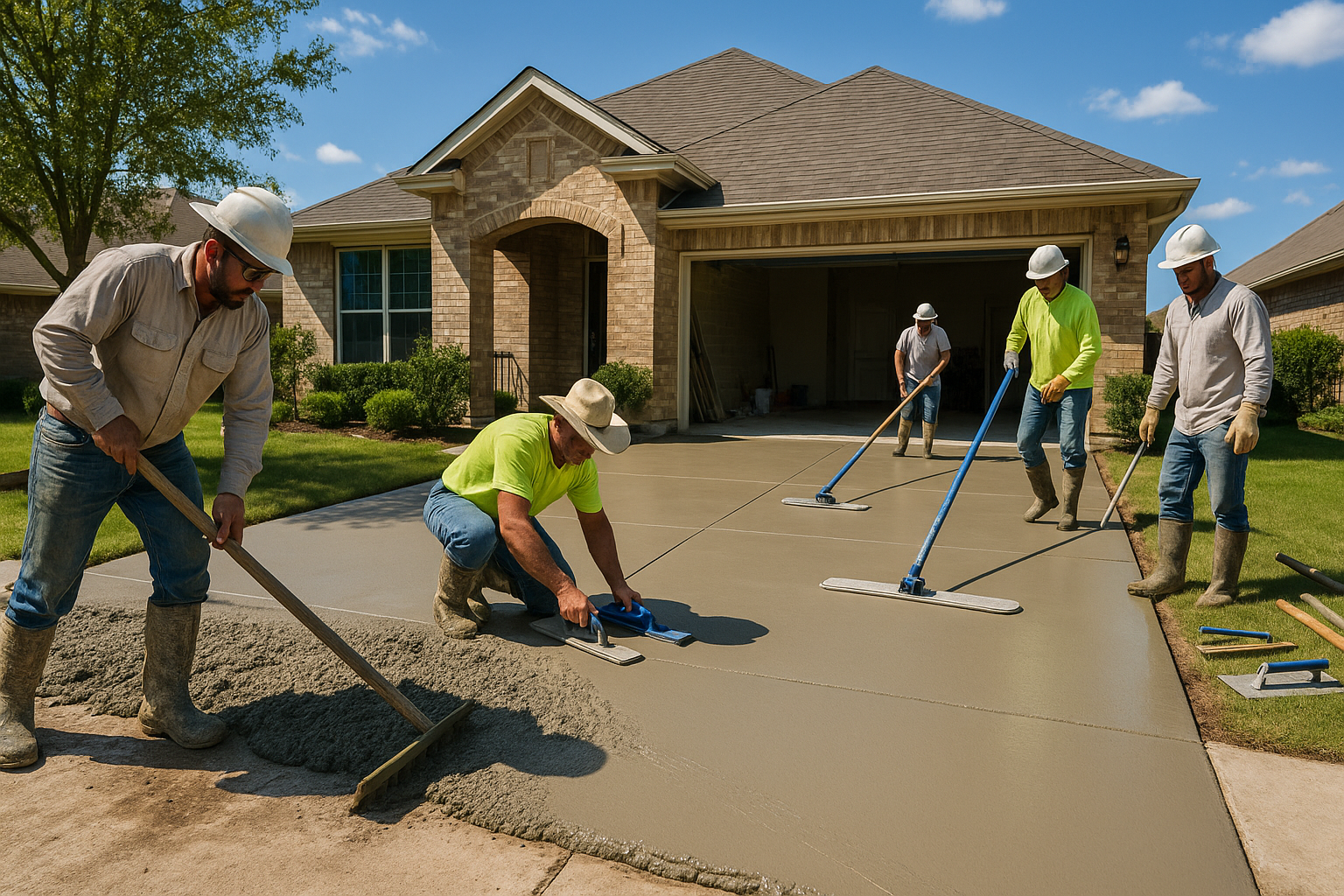
If you need new concrete in Texas, the first question is simple: do you really need a fresh pour, or can the existing slab be repaired or lifted? Around here, we see both situations every week. Some concrete can be saved. Some is too far gone. When a driveway is crumbling, a patio was poured too thin, or a slab has major cracking from movement and age, concrete pouring is usually the right call.
Texas concrete takes a beating. Between expansive clay soils, long dry stretches, flash rains, and summer heat, slabs in places like Austin and Round Rock move more than a lot of folks expect. That movement shows up as cracks, settling, heaving, and surface breakdown. A good pour is not just about putting concrete on the ground. It is about proper prep, base work, thickness, reinforcement, drainage, and joint layout so the slab can handle Texas conditions.
In this guide, we will walk through when concrete pouring makes more sense than leveling, the most common projects we pour in Texas, what affects pricing, and how to get a free quote from a crew that understands local soil and weather.
When Concrete Pouring Is Better Than Leveling
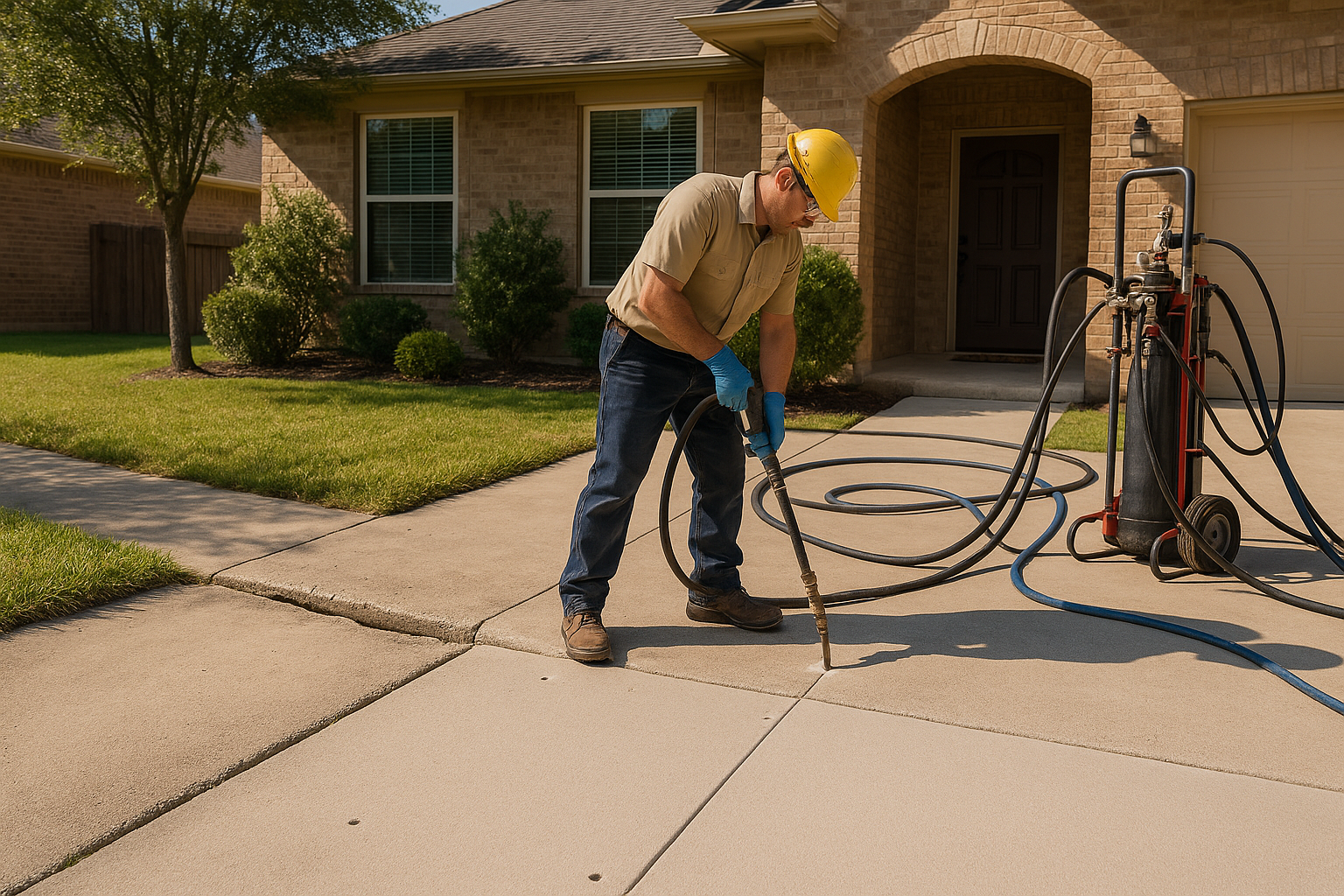
Not every slab should be replaced. If concrete is structurally sound and only settled in a few areas, lifting may be the better value. That is where repairs like concrete slab repair or leveling come into play. But there are plenty of jobs where pouring new concrete is the smarter long-term move.
Concrete pouring is usually better than leveling when the slab has widespread failure, not just a height problem. If the surface is flaking, the edges are busted up, there are multiple crossing cracks, or sections were poured with poor base prep, lifting the slab may not fix the real problem. You may get it higher, but you still have weak concrete.
Here are a few signs replacement is often the better option:
- Large structural cracks that run through multiple sections
- Spalling and surface deterioration from age, moisture, or poor finishing
- Concrete poured too thin for vehicle traffic or heavy use
- Bad drainage washing out the base under the slab
- Repeated movement caused by expansive clay soils
- Trip hazards and broken edges that are too severe for spot repair
Texas soil matters here. In Central Texas, we deal with a lot of clay that swells when wet and shrinks when dry. That expansion and contraction can wreck flatwork if the subgrade and joints were not handled right the first time. In other parts of the state, sandy soils may drain faster but can still shift under load if the base is not compacted properly. Either way, when the foundation under the slab is compromised and the concrete itself is failing, a new pour gives you a clean start.
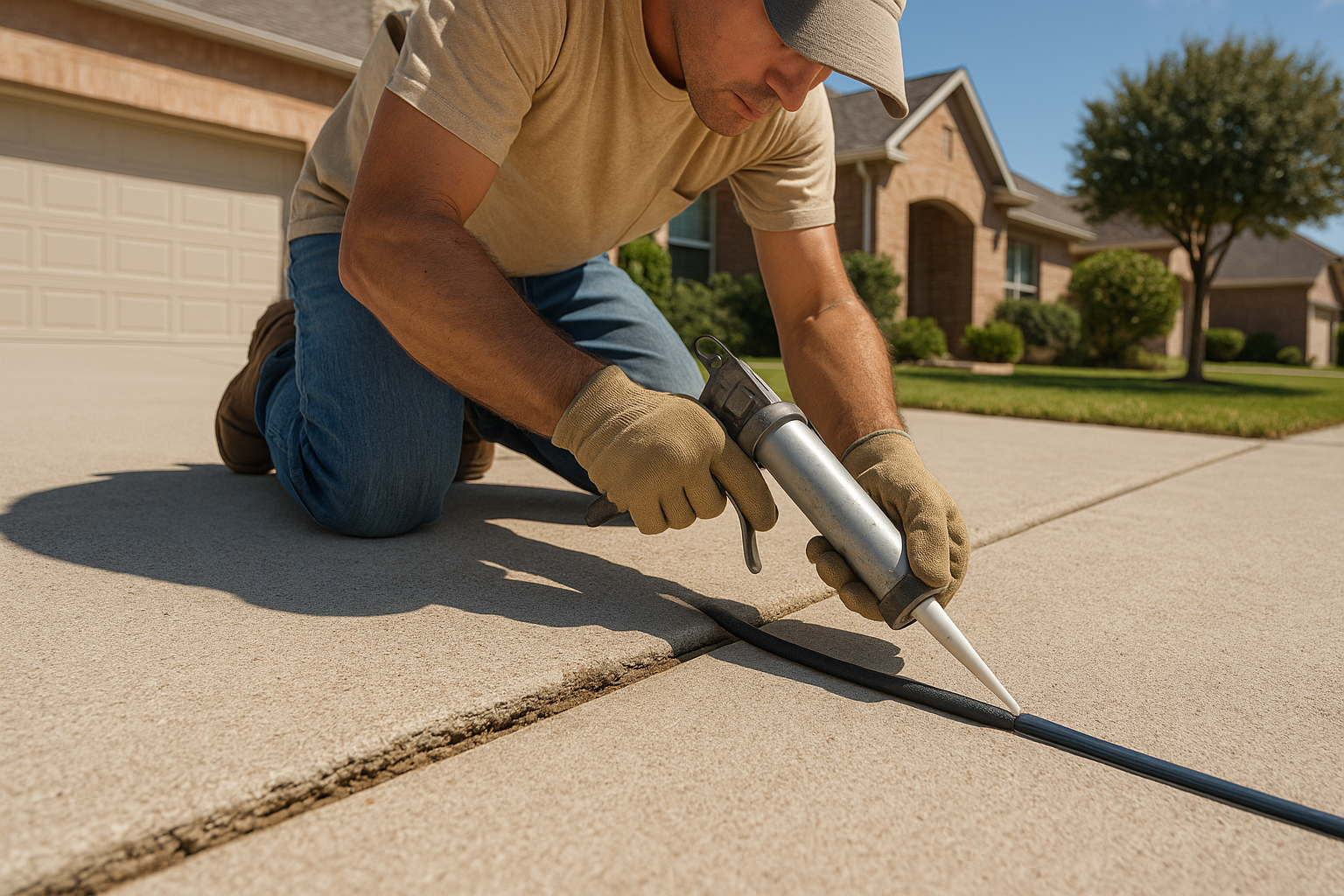
One thing that gets overlooked is joints. Good concrete is going to crack somewhere. The goal is to control where it cracks. That is why joint spacing and maintenance matter. If you have old or damaged joints, or you want to understand why they matter so much in Texas weather, take a look at expansion joints. For sealing and protecting joints over time, sealmyjoints.com is also a useful resource.
Common Concrete Pouring Projects in Texas
We pour all kinds of residential and light commercial concrete in Texas, but a few jobs come up over and over. The right approach depends on how the slab will be used, what the drainage looks like, and what kind of soil is underneath.
Driveways
Driveways are one of the most common new concrete projects we see. A driveway has to deal with vehicle weight, turning tires, water runoff, and direct sun. If it was poured too thin or without a solid base, it will not last. A properly installed driveway in Texas usually needs the right thickness, reinforcement where needed, and well-placed control joints. For homeowners, driveway replacement often becomes necessary when cracks spread, sections sink, or the entry is breaking apart near the street.
Patios
Patios may not carry the same load as a driveway, but they still need proper grading and joint layout. In Texas, patios often fail because water stands against the house or runs back toward the slab. A good patio pour should move water away and hold up through heat, cold snaps, and shifting ground. Whether you want a basic broom finish or a larger backyard entertaining area, prep work is what makes the difference.
Sidewalks and walkways
Walkways need to be safe, drain well, and stay level enough to avoid trip hazards. Tree roots, erosion, and soil movement are common problems in older neighborhoods around Austin and Round Rock. If a sidewalk section is broken beyond repair, pouring new concrete is often the fastest way to restore access and clean up curb appeal.
Slabs for sheds, shops, and additions
Smaller building slabs have to be flat, properly based, and built for the intended load. A shed slab is one thing. A workshop or room addition is another. In Texas, moisture control and subgrade prep matter a lot, especially on lots with known movement. If a slab is supporting a structure, getting the pour right on day one is critical.
Pool decks and outdoor living areas
Pool decks and outdoor spaces need a finish that works for foot traffic and weather exposure. These areas also see a lot of water, which means drainage and joint placement are a big part of the job. With enough summer heat in Texas, surface finish and curing practice also matter more than people think.
What Affects Concrete Pouring Cost in Texas
The question most homeowners ask first is cost, and the honest answer is that it depends on the job. Size matters, but it is not the only factor. Site access, demo, base prep, thickness, reinforcement, finish, and drainage corrections all affect the final number.
For many residential projects in Texas, basic concrete pouring may fall around $8 to $14 per square foot, while more involved jobs can run $15 to $25+ per square foot depending on conditions and finish. Those are ballpark numbers, not phone-quote pricing. The only way to know the real cost is to look at the site.
Here is what typically drives price:
- Demolition and removal of old concrete
- Base preparation and compaction if the ground is unstable
- Thickness of the slab based on use and load
- Reinforcement such as rebar or wire mesh when specified
- Forming and grading to control slope and drainage
- Site access for trucks, equipment, and crew
- Finish type from standard broom to decorative work
- Joint layout and sealing to help the slab perform over time
Weather can also affect scheduling and labor. Texas heat changes how concrete sets, and that means crews need to plan the pour, finishing, and curing around the forecast. Sudden rain can shut a project down. Extreme summer temperatures can shorten working time. Winter freezes are less common in much of Texas, but they still matter when temperatures dip. An experienced crew plans for all of that.
Soil conditions are another big cost factor. If the slab is going over highly expansive clay, the subgrade may need more attention than a site with stable, well-draining material. Skipping that prep to save money usually costs more later. We have seen too many slabs fail because somebody rushed the base work.
If your concrete is not totally shot, it may be worth comparing replacement with repair or leveling. A straight answer from a contractor should include both options when appropriate, not a one-size-fits-all sales pitch.
How to Get a Free Quote for Concrete Pouring
Getting a quote for concrete pouring in Texas should be straightforward. A good contractor is going to ask what the slab is for, measure the area, look at access, check drainage, and inspect the ground conditions. If there is existing concrete, they should tell you whether it can be repaired or whether replacement makes more sense.
When you request a quote, be ready to talk about a few things:
- What you are pouring, such as a driveway, patio, walkway, or slab
- The approximate size of the project
- Whether old concrete needs to be removed
- Any drainage issues you have noticed during rain
- How the area will be used, especially for vehicles or heavy equipment
- Your location and whether access is tight
It also helps to ask the right questions. Will the contractor compact the base? What slab thickness do they recommend? How will they handle joints? What finish is included? How long before you can walk or drive on it? These are basic questions, but they tell you a lot about how the job will be done.
At Hill Country Slabs, we believe in giving property owners a practical recommendation based on the condition of the concrete and the site. If repair makes sense, we will tell you. If new concrete is the better investment, we will explain why and outline the scope clearly.
If you need concrete pouring in Texas for a driveway, patio, sidewalk, or slab, we are ready to take a look. Contact Hill Country Slabs for a free quote at /contact or call (737) 287-4308 today.